
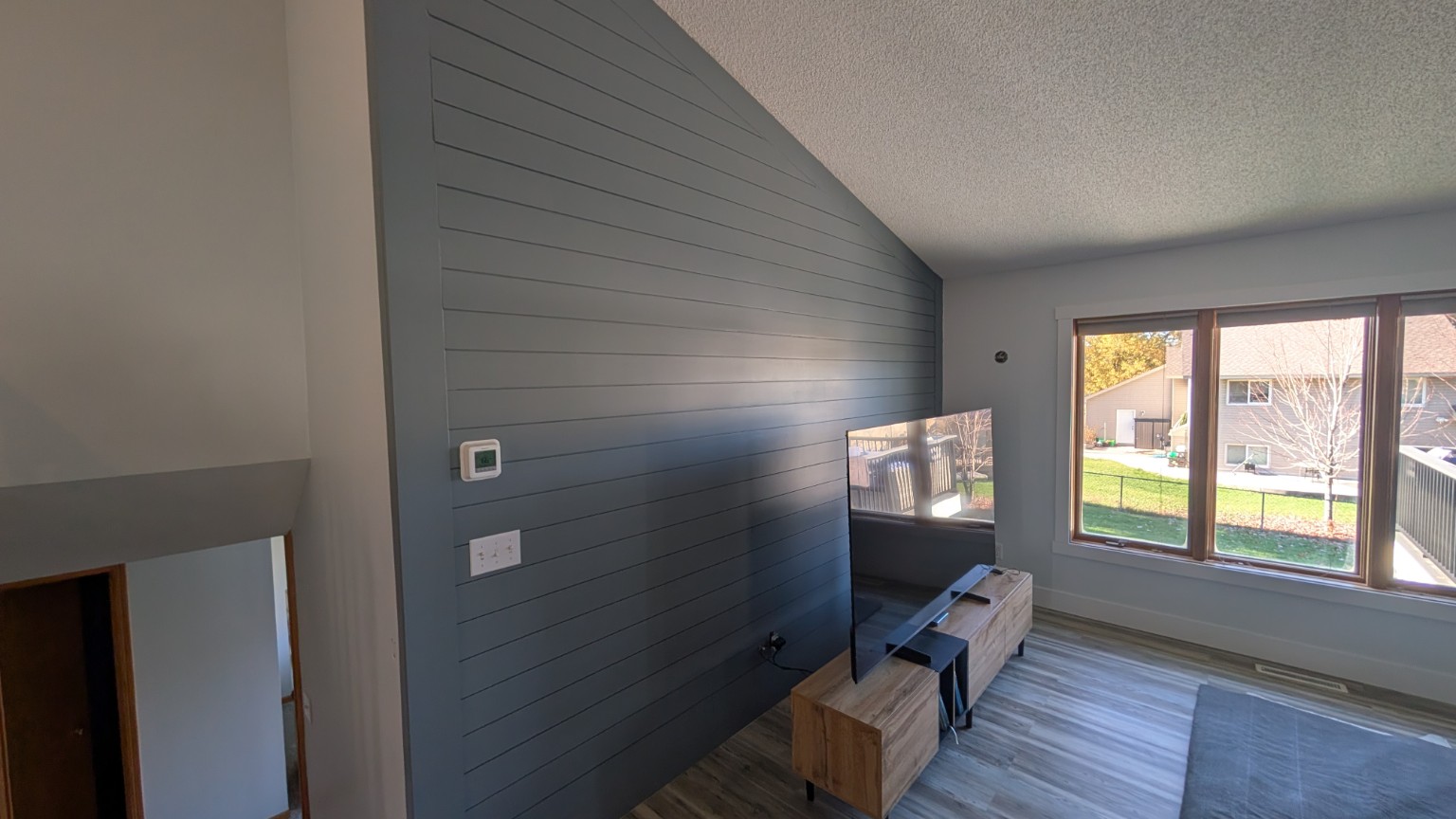
You’ve chosen a painter and have a project on the calendar. Now what should you do before the crew arrives?
Start with a conversation about responsibilities. Some painting estimates include furniture moving, surface cleaning, and minor repairs; others handle those tasks differently. The useful question is: “What will your crew handle, and what would you like us to do before you arrive?”
Whether you’re planning an interior refresh in Andover, a cabinet project in Ramsey, or exterior painting in Elk River, a shared plan helps protect your belongings and keeps the work organized. Use this checklist to settle the details with your contractor.
1. Agree on exactly what will be painted
Walk through the project together and compare it with the written estimate. “Paint the bedroom” can mean different things unless the surfaces are listed.
Confirm which walls, ceilings, doors, trim, closets, and other details are included. For exterior work, identify the siding, soffits, fascia, shutters, gutters, doors, and other surfaces covered by the estimate. For cabinets, clarify doors, drawer fronts, frames, exposed ends, and whether interiors are included.
Also agree on the paint product, color, sheen, number of coats, and any priming or repairs. Ask when final selections are needed and how added work will be approved and priced.
Love Your Home includes a complimentary professional color consultation when you choose us for your painting project. Bring up any undecided colors before the start date so they can be part of the plan.
2. Make a plan for small and fragile belongings
Ask which belongings should be moved before work starts. If you’re handling them, pack small décor, framed photos, valuables, electronics, and breakable items in a separate space outside the work area.
Clear the tops of furniture that will need to move. For kitchens and bathrooms, discuss what should come off counters and whether cupboards, drawers, or vanities need to be emptied.
Check who will remove curtains, blinds, mirrors, and wall-mounted items. Tell the painter which picture hooks you want to reuse and which holes should disappear. Heavy mirrors, mounted televisions, and electrical fixtures deserve a separate arrangement rather than a last-minute assumption.
3. Agree on furniture arrangements before moving anything heavy
Ask whether large furniture will be moved out, grouped in the room, or handled in stages. The right arrangement depends on the room and the surfaces being painted.
Sherwin-Williams recommends moving furniture away from the work and covering what remains. That describes preparation that needs to happen; your agreement determines who handles it. [1]
Mention oversized sectionals, beds, pianos, appliances, or furniture you cannot move. Confirm any extra labor or outside help in advance. Leave the crew enough room to use ladders and equipment, and keep a clear route through the home. Avoid creating a furniture pile that blocks a doorway or staircase.
4. Confirm who handles repairs, cleaning, and protection
Surface preparation affects the finished paint job. Sherwin-Williams notes that grime, dust, and other contamination can interfere with paint adhesion, and recommends protecting floors and furniture during painting. [2]
Before doing any wall washing, patching, sanding, or taping yourself, ask what the contractor has included and how they want it handled.
At Love Your Home, minor interior repairs such as small dings, holes, and cracks are included, along with protection for floors and other areas that need it. Larger repairs or unusual surface conditions should be reviewed as part of the estimate.
Point out stains, recurring cracks, peeling paint, or areas affected by leaks. Discuss what needs investigation or separate repair before painting. If you’ve agreed to handle cleaning, confirm the method and timing so surfaces are ready when the painter arrives.
Also clarify the protection plan: floors, counters, furnishings, nearby rooms, and the routes used to carry supplies.
5. Plan access, parking, and a place for equipment
Confirm which entrance the crew should use, when they can enter, and how you’ll handle locks or alarms. Share access instructions privately with the contractor.
Discuss parking for work vehicles and deliveries. Ask whether your own vehicles need to be moved before equipment is set up, and whether the crew needs access to a water source, electrical outlet, or bathroom.
Agree on a staging and storage area for tools and materials. Keep access to essential household spaces clear.
For exterior work, ask about moving patio furniture, grills, planters, hoses, and vehicles near the painting area. Confirm any landscaping preparation before trimming plants yourself.
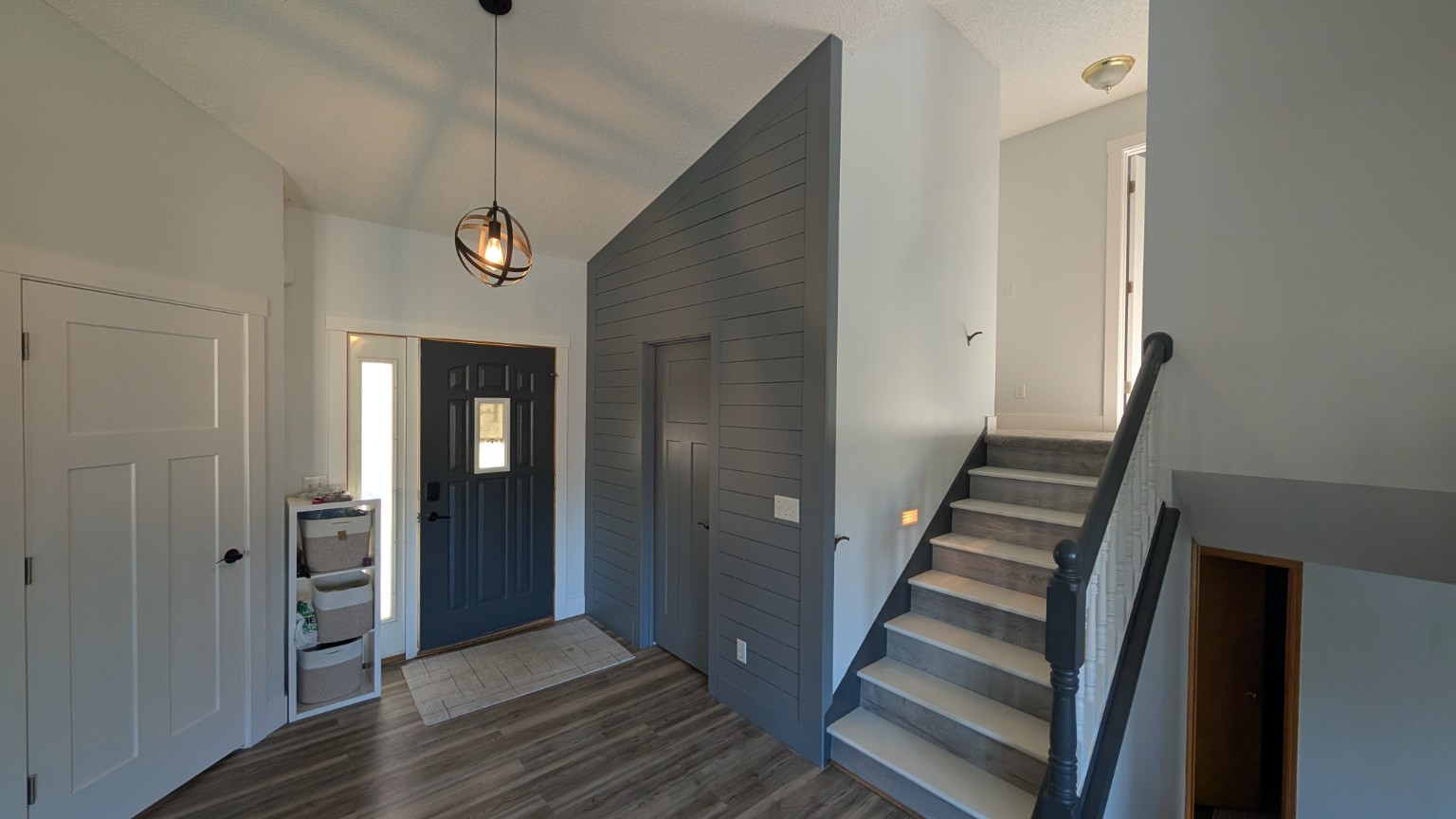
6. Arrange a separate space for pets and children
Talk through how the work area will be kept separate from the rest of the household. Doors may need to stay open while equipment comes in, and ladders, cords, supplies, and wet surfaces need space around them.
Plan a pet location away from the work and tell the crew about escape-prone animals. Ask how barriers and entrances will be managed, especially if the job affects a main hallway or stairway.
EPA and CPSC guidance advises keeping young children and people with breathing problems away from freshly painted rooms. Include those needs in the project schedule and ventilation discussion. [3]
7. Coordinate the work with your daily routine
Confirm arrival and departure times, the expected project sequence, and which rooms will be unavailable each day. Share school pickups, work calls, nap times, or other important household routines before the schedule is finalized.
Ask whether you can stay home while work proceeds and what access you’ll have to bedrooms, bathrooms, and the kitchen. The answer depends on the work, products, and household.
For cabinet work, discuss access to the sink, refrigerator, cooking area, and storage. For exterior work, clarify how weather-related schedule changes will be communicated.
Choose one main contact for questions and changes so the crew receives clear instructions.
8. Discuss ventilation before the first coat
Ventilation belongs in the plan, including during Minnesota’s colder months. Ask how fresh air will be provided during application and drying while maintaining the conditions required by the coating.
EPA/CPSC guidance emphasizes following product-label precautions and providing ventilation during and after painting. It also explains that a surface feeling dry does not necessarily mean paint vapors have finished being released. [3]
Discuss which windows or exterior doors can be used, how fans will be arranged if appropriate, and whether any rooms should remain unoccupied afterward. Don’t assume a short break or a single open window will suit every product and project. Follow the product instructions and the agreed ventilation plan.
9. Agree on cleanup and putting the room back together
Before the job begins, ask what daily cleanup and final cleanup include. Confirm who will remove coverings, replace items, move furniture back, and handle project waste.
Ask when you can return wall décor, place furniture against painted surfaces, use freshly coated cabinets, and clean the finish. Those instructions should reflect the actual coating and conditions.
Arrange a final walkthrough and ask how leftover paint or product details will be provided for future reference. Make a note of anything you want to discuss before the crew packs up.
A quick checklist for the day before painting
Use this after responsibilities have been agreed:
- ☐ Confirm the surfaces, products, colors, and scope.
- ☐ Complete only the moving and cleaning tasks assigned to you.
- ☐ Store fragile and personal items away from the work.
- ☐ Confirm the furniture and floor-protection arrangements.
- ☐ Review repairs and any conditions that need attention.
- ☐ Clear the agreed access route and parking space.
- ☐ Arrange a separate space for children and pets.
- ☐ Confirm work hours, room access, and ventilation.
- ☐ Keep the contractor’s contact information handy.
- ☐ Review cleanup and when rooms can be put back into use.
Ready to plan your painting project?
Love Your Home provides interior and exterior painting and cabinet coatings for homeowners in Andover, Ramsey, Elk River, Champlin, Coon Rapids, and nearby northwest Twin Cities communities.
Request a free on-site estimate to discuss the surfaces, preparation, and household arrangements for your project. If you’re still exploring options, send photos through our photo-estimate form to request a ballpark price.
Call 763-300-5834 or use the estimate options on loveyourhomemn.com. A clear scope and shared preparation plan help everyone know what to expect before work begins.
Sources
Sources reviewed November 11, 2026.